
You step through the front door of a charming open house. The living room is beautifully staged, the kitchen boasts modern quartz countertops, and the natural light is perfect. But as you walk toward the hallway, you notice the bedroom door requires a firm shove to latch. A few steps later, you feel a distinct slope in the hardwood floor. Are these just the quirks of an older home, or are you standing on a massive, expensive liability?
For US homebuyers, learning how to spot foundation issues during a brief open house visit is one of the most valuable house-hunting skills you can develop. Foundation repair costs can easily spiral into the tens of thousands of dollars, and severe structural issues can make a home uninsurable or impossible to finance. While you should never skip a formal house foundation inspection, knowing how to identify the early warning signs in a 10-to-15-minute walkthrough can save you from falling in love with a money pit.
In this guide, we will walk you through the top red flags to look for, how to perform a quick perimeter sweep, and exactly what to ask the listing agent before you make an offer.
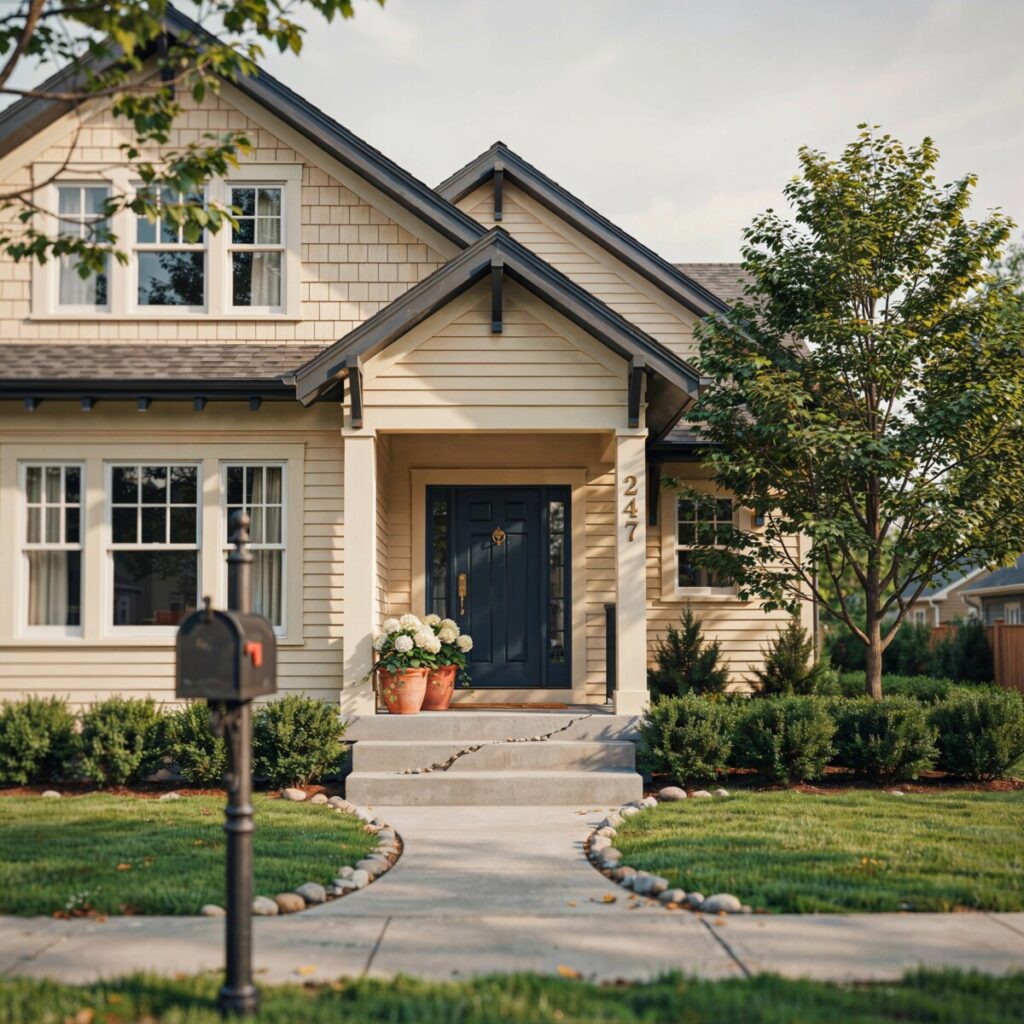
A Quick Primer: Why Foundations Matter
Before diving into the warning signs, it helps to understand what you are actually looking at. In the US, residential foundations generally fall into three categories: poured concrete or block basement foundations, crawl space foundations, and concrete slab-on-grade foundations.
Regardless of the type, a foundation’s job is to transfer the weight of the house into the earth while keeping moisture out. What causes foundation cracks and failure? Usually, it comes down to soil movement and water. Expansive clay soils swell when wet and shrink during droughts, causing a settling foundation. In northern climates, freeze-thaw cycles can cause frost heave. Poor drainage, plumbing leaks, and invasive tree roots can also destabilize the earth beneath your home.
When a foundation fails, the consequences ripple through the entire structure. You will see structural issues like cracked drywall, compromised rooflines, and severe water intrusion. Left unchecked, foundation problems degrade a home’s resale value and safety. Fortunately, can foundation problems be fixed? Yes—but early detection is the key to keeping foundation repair costs manageable.
Top 12 Signs of Foundation Damage to Spot at an Open House
When touring a home, keep your eyes peeled for these 12 reliable indicators of foundation movement.
1. Interior Wall Cracks
Not all cracks are created equal. As you walk through the rooms, pay close attention to where the walls meet the ceilings and the corners of door frames.
- What to look for: Vertical cracks are often signs of normal, minor foundation settlement. However, horizontal cracks or 45-degree diagonal cracks radiating from door and window corners indicate serious structural stress. If the home has brick veneer or exposed masonry, look for “stair-step” cracks zig-zagging through the mortar joints.
- Quick verification: Run your hand over the crack. If one side of the wall is protruding further out than the other (a “lip”), the wall is shifting, which is a major red flag.
2. Exterior Foundation Cracks and Gaps
Step outside and examine the perimeter of the house where the siding or brick meets the ground.
- What to look for: Hairline cracks in poured concrete are common and usually harmless. However, foundation cracks wider than a quarter-inch, or cracks that are wider at the top than the bottom, suggest the house is pulling apart.
- Quick verification: Look at the exterior masonry. Stair-step basement cracks or gaps between the exterior brick veneer and the window frames are classic signs of foundation settling in a house.
3. Doors and Windows That Stick or Don’t Close Properly
When a foundation shifts, the rectangular frames of your doors and windows rack into parallelograms.
- What to look for: Doors that drag against the carpet, require a hard push to latch, or swing open on their own. Windows that refuse to slide or require excessive force to lock.
- Quick verification: Open a door and look at the gap between the door and the frame at the top. If the gap is significantly wider on one side than the other, the frame is out of square due to a shifting foundation.
4. Uneven or Sloping Floors
Older homes often have slight slopes, but severe grading is a major indicator of structural distress, especially in homes with crawl spaces or pier-and-beam foundations.
- What to look for: A visual “lean” to the room, or floors that feel spongy or bouncy when you walk across them.
- Quick verification: The “Marble Test.” Place a marble or a round pen on the floor. If it aggressively rolls to one side of the room, you have significant sloping.
5. Separation Between Walls and Floors or Ceilings
As a house settles unevenly, the different components of the structure pull away from one another.
- What to look for: Gaps opening up between the baseboards and the floor, or between the crown molding and the ceiling.
- Quick verification: Check the caulking in the bathrooms and kitchen. If you see caulk that has stretched, torn, or completely separated from the tub or countertops, the walls are moving independently of the floors.
6. Cracked or Bowed Basement/Crawl Space Walls
If the home has a basement, make it a priority to go downstairs. Bowed walls are among the most urgent red flags when house hunting.
- What to look for: Walls that appear to be leaning inward, bulging in the center, or showing horizontal cracking near the mid-point of the wall.
- Quick verification: Look for signs of crawl space problems or basement water intrusion. Bowing is usually caused by hydrostatic pressure—wet soil outside pushing against the foundation wall.
7. Gaps at Chimney or Exterior Brickwork
Chimneys are incredibly heavy and often have their own separate, shallow footings.
- What to look for: A chimney that appears to be tilting away from the house, or a visible gap opening up between the chimney masonry and the exterior siding.
- Quick verification: Step back and look at the roofline. If the chimney is pulling away, it can take the roof flashing with it, leading to massive water damage.
8. Interior Drywall Bulges or Nail Pops
Drywall is rigid; when the wooden framing of a house twists due to foundation movement, the drywall takes the abuse.
- What to look for: “Nail pops” (small circular bumps where the drywall screw has pushed through the paint), or bulging seams where two pieces of drywall meet.
- Quick verification: Shine your phone’s flashlight parallel to the wall (a “raking light”). This will highlight subtle bulges, waviness, and textured paint cracks that are invisible in normal lighting.
9. Sinking or Sloping Porches, Stoops, and Walkways
Exterior concrete features are excellent canaries in the coal mine for soil stability.
- What to look for: Front porches, stoops, or patios that are pulling away from the house, creating a gap, or sloping toward the foundation rather than away from it.
- Quick verification: Check for trip hazards where the driveway meets the garage slab. If the exterior concrete is sinking, it indicates poor soil compaction or erosion, which likely affects the main foundation as well.
10. Moisture, Mold, or Efflorescence
Water is the enemy of a stable foundation.
- What to look for: Musty smells, standing water, or “efflorescence”—a white, powdery residue left behind on concrete walls when water seeps through and evaporates.
- Quick verification: Check the corners of the basement or crawl space. Chronic moisture accelerates concrete degradation and causes the surrounding soil to expand and contract violently.
11. Plumbing Irregularities Tied to Foundation Movement
In homes built on concrete slabs, the plumbing lines are buried beneath the foundation. If the slab shifts, it can shear or stress these pipes.
- What to look for: Slow drains, low water pressure, or evidence of recent plumbing repairs (like newly patched concrete in the floor or fresh drywall on the ceiling below a bathroom).
- Quick verification: Turn on the faucets and flush the toilets. Listen for the sound of running water when no fixtures are in use, which could indicate a hidden slab leak eroding the soil beneath the home.
12. Large or Recent Patchwork, Fresh Concrete, or Cosmetic Cover-ups
Sellers are legally required to disclose known issues, but some attempt to hide them cosmetically.
- What to look for: Brand-new baseboards in an otherwise original house, fresh patches of concrete in the basement, or a freshly painted foundation wall that contrasts with the rest of the unfinished space.
- Quick verification: Ask yourself why a specific area was recently repaired. A single, fresh patch of mortar on a 50-year-old basement wall is often a band-aid over an active leak or structural crack.
How to Perform a 10–15 Minute Quick Inspection Checklist
Knowing what to look for at an open house is only half the battle; having a systematic route ensures you don’t miss anything. Use this step-by-step home inspection checklist on your next tour:
- The Exterior Perimeter Sweep (3 Minutes): Before you even knock on the door, walk the perimeter. Look at the roofline for sags. Check the exterior masonry for stair-step cracks. Look at the chimney for tilting.
- The Grading and Gutter Check (2 Minutes): Regional Note: If you are house hunting in Texas or Oklahoma, expansive clay soils demand perfect drainage. In northern states, freeze-thaw cycles require deep footings and dry soil. Everywhere in the US, the ground should slope away from the house (positive grading). Check that downspouts extend at least 4 to 6 feet away from the foundation. [Image Suggestion 4: A downspout dumping water directly next to a foundation vs. one with a proper extender. Caption: “Poor grading and clogged gutters can accelerate foundation problems.”]
- The Entryway & Interior Walkthrough (5 Minutes): As you enter, test the front door. Walk the main floor using the “Marble Test” on hard surfaces. Open and close interior doors and windows. Check baseboards for separation.
- The Basement/Crawl Space Peek (3 Minutes): If there is a basement, go down immediately. Smell for mold, look for efflorescence, and shine your flashlight on the walls to check for bowing or horizontal cracks.
- Document Everything (2 Minutes): Take photos of any cracks, slopes, or gaps. Place a coin or your finger next to cracks in photos to provide a scale reference for your own memory or a future structural engineer.
What to Ask the Listing Agent or Seller
When you spot a potential issue, approach the listing agent politely but directly. Here are a few highly effective open house scripts to get the truth:
- “Has the foundation ever been repaired? If so, do you have the permits, transferable warranties, or repair invoices?”
- “Are there any past or current issues with water in the basement or crawl space?”
- “Has a structural engineer ever inspected the property for foundation movement?”
- “When was the last full home inspection, and are the sellers willing to share the report?”
- “Have any insurance claims ever been filed for water damage or structural shifting on this property?”
If the agent is evasive or claims “the house has just settled naturally,” take note. Settling foundation issues rarely resolve themselves without intervention.
When to Stop and Call a Professional
If you notice horizontal basement cracks, severe floor sloping, or doors that won’t close, it is time to pause. How to tell if foundation is bad ultimately requires a professional diagnosis.
You should immediately hire a licensed structural engineer (who provides an unbiased assessment of the home’s integrity) or a highly rated, independent foundation contractor. Do not rely solely on a general home inspector for structural diagnoses; while they will flag the issues, they usually recommend a specialist for the final verdict.
How much does foundation repair cost in the US? According to major home service estimators like Angi and HomeAdvisor, minor crack repairs might cost between $500 and $2,000. However, major structural interventions—like installing steel push piers, helical piers, or rebuilding a bowed basement wall—typically range from $5,000 to $15,000+, with extreme cases exceeding $30,000. [Link Suggestion: Link to a reputable cost estimator like Angi or HomeAdvisor’s Foundation Repair Cost Guide.]
Furthermore, if major structural issues are found, your mortgage lender may require them to be fixed before they will approve your loan, making early detection vital for your financing timeline.
Closing / Action Steps
Learning how to spot foundation issues empowers you to tour homes with confidence. If your quick 15-minute checklist reveals red flags, do not walk away immediately—use the data to your advantage. Request the seller’s disclosure documents, ask for a specialized structural inspection contingency, and be prepared to negotiate for seller-paid repair credits or a reduced purchase price.
A shifting foundation doesn’t automatically mean you have to abandon your dream home, but it does mean you need to go into the transaction with your eyes wide open and your budget protected.
📋 Your Printable Open House Foundation Quick-Check Checklist
Screenshot or print this list to take with you on your next house hunt!
- [ ] Exterior: Walk the perimeter. Look for stair-step brick cracks and gaps around windows.
- [ ] Grade & Gutters: Ensure soil slopes away from the house; check downspout extensions.
- [ ] Chimney: Look for tilting or separation from the exterior siding.
- [ ] Doors/Windows: Open and close them. Check for uneven gaps at the top of the frames.
- [ ] Floors: Perform the “Marble Test” to check for sloping or uneven grading.
- [ ] Interior Walls: Look for diagonal cracks radiating from door corners or drywall nail pops.
- [ ] Trim: Check for gaps between baseboards and the floor, or crown molding and the ceiling.
- [ ] Basement/Crawlspace: Smell for moisture; look for white efflorescence, bowing walls, or horizontal cracks.
- [ ] Concrete: Check porches and driveways for sinking or pulling away from the main structure.
- [ ] Plumbing: Turn on faucets and check for slow drains or signs of recent slab patches.
- [ ] The Agent: Ask about past repairs, permits, water intrusion history, and engineering reports.
Ready to take the next step? Don’t let hidden structural issues derail your homeownership journey. If a property on your shortlist shows any of these red flags, schedule a comprehensive inspection with a licensed structural engineer or local foundation expert today.