
Why Curb Appeal Matters More Than You Think
First impressions determine whether potential buyers even step inside your home. According to HomeLight’s top agent insights report, 51% of real estate professionals believe outdoor improvements make homes significantly more appealing to buyers, while 48% consider enhanced curb appeal the strongest selling point in today’s market. The numbers don’t lie—homes with strong curb appeal sell for an average of 7% more than comparable properties lacking visual appeal, based on a 2020 study published in The Journal of Real Estate Finance and Economics.
Your home’s exterior is the silent salesperson working 24/7 when you’re not there. “Curb appeal is probably one of the most important and effective tools in selling a home,” states Yawar Charlie, a Los Angeles-based agent with luxury brokerage the Aaron Kirman Group. When buyers approach your property, they’re making split-second judgments that impact their entire perception of your home’s value. This crucial first impression happens before they even reach your doorstep.
Don’t wait until you’re ready to sell to consider curb appeal. Enhancing your home’s exterior creates daily enjoyment for you while simultaneously building equity. Professional landscaping alone can increase your home’s perceived value by 15-20%, according to the American Society of Landscape Architects. For a $416,900 home, that’s nearly $62,500 in added value for landscaping investments typically ranging from $2,000 to $25,000.
With housing inventory remaining tight across most US markets, making your property stand out has never been more critical. Whether you’re planning to sell immediately or years down the road, investing in curb appeal delivers compound returns through daily enjoyment, neighborhood appeal, and eventual sales price premiums.
Pro Tip: Stand at the curb and look at your home as if you’re seeing it for the first time. What’s the first thing that catches your eye? Is it positive or negative? This simple exercise reveals immediate opportunities.
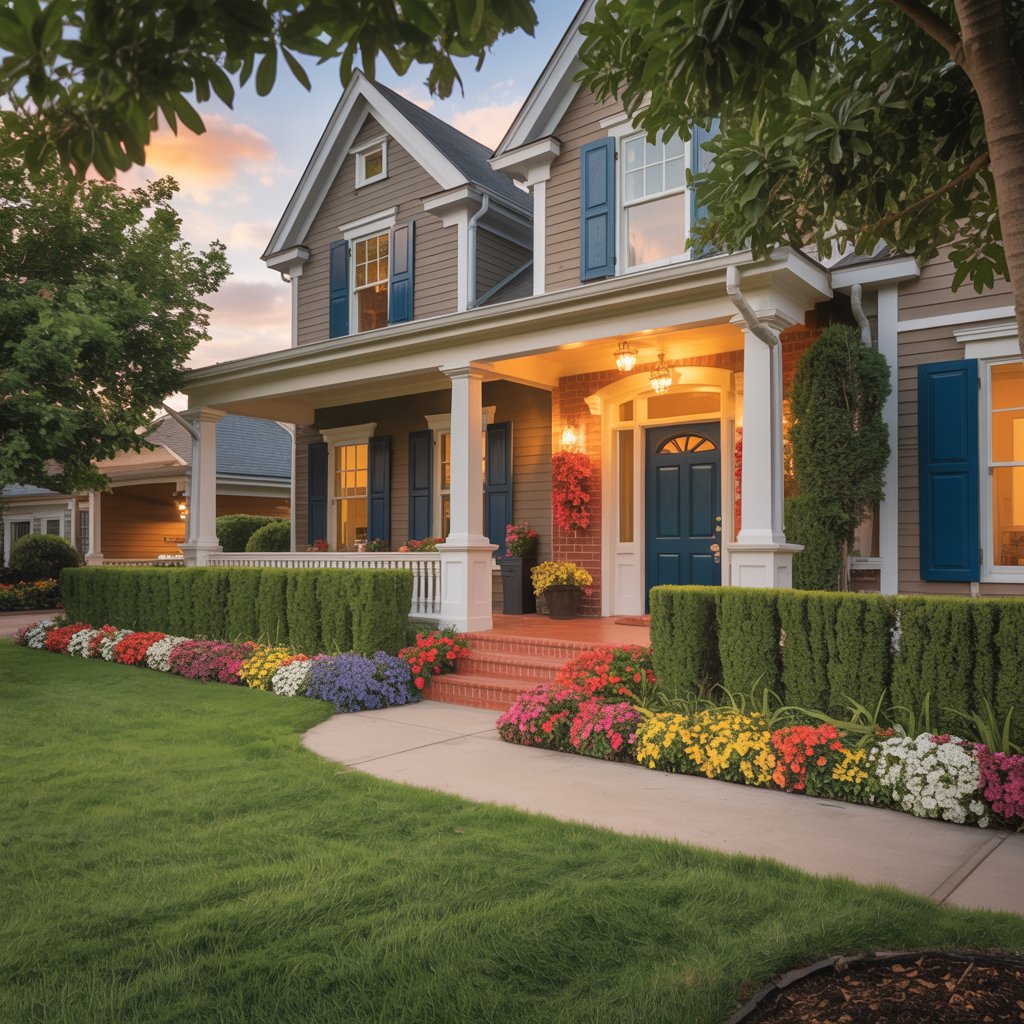
Essential First Steps: The Foundation of Great Curb Appeal
Deep Cleaning Basics
Before adding new elements, start with a thorough cleaning. Rent a pressure washer to blast away dirt, grime, and mold from siding, windows, gutters, walkways, and your deck. Don’t forget to clean your windows inside and out—gleaming windows transform how light enters your home and creates immediate appeal. As Don Hammons, a top Washington state agent, explains: “It’s important that sellers clean. Buyers make judgments quickly. If they see blatant neglect, they’re critical.”
Clutter kills curb appeal. Remove toys, tools, extra furniture, and anything that doesn’t enhance your home’s appearance. Tidy up your yard by removing debris, dead leaves, and overgrown branches blocking windows or pathways. Basic mowing, trimming, and edging costs between $49 and $204 depending on your location and yard size, but these small investments yield substantial returns in creating that welcoming first impression buyers desire.
**Deep Cleaning Checklist**
- Pressure wash all exterior surfaces
- Clean windows inside and out
- Remove all visible clutter
- Trim overhanging branches
- Clear walkways of debris
- Wash outdoor furniture
Decluttering and Organization
Your yard functions best when it breathes. Remove unnecessary items like extra planters, children’s toys, or gardening equipment left out overnight. Consider building or purchasing attractive storage solutions that complement your home’s style. Keep trash cans neatly stored away from street view, preferably behind gates or fencing.
Pro Tip: Limit visible garden tools to decorative items like a stylish hose reel or attractive potting bench. Store all functional tools in sheds or garages to maintain a clean aesthetic.
Landscape Transformation: The Heart of Curb Appeal
Professional-Grade Lawn Care
A lush, green lawn signals immediate care and attention. Regular mowing (keeping grass at optimal height), fertilizing, and watering creates instant appeal. In drought-prone regions, consider investing in drip irrigation systems or adding native plants requiring minimal water. Strategic tree placement also enhances curb appeal—specimen trees like crepe myrtle, red maple, magnolia, or weeping cherry deliver seasonal color while providing shade and increasing property value.
**Must-Have Plants by Region**
*Northeast*: Sugar maples, oak trees, hydrangeas
*Southeast*: Dogwoods, azaleas, magnolias
*Midwest*: Redbuds, coneflowers, native grasses
*Southwest*: Palo verde, desert willow, agave
*West Coast*: Japanese maples, lavender, manzanita
Flower Power
Cheery flowers create emotional connections with potential buyers. Plant seasonal annuals like geraniums, petunias, impatiens, and chrysanthemums near entryways, mailboxes, and along walkways. Follow the “thrillers, fillers, and spillers” formula: a tall focal plant surrounded by smaller annuals and trailing vines creates visual interest.
Pro Tip: Incorporate fragrant flowers like jasmine, roses, lavender, and thyme near entryways—they engage multiple senses, creating lasting impressions beyond visual appeal alone.
The Critical Entryway: Where Visitors First Connect
Front Door Transformation
Your front door is the focal point of your home’s exterior. Zillow data shows homes with black front doors sell for approximately $6,500 more than comparable houses. Other popular colors include teal, red, and yellow—all creating striking contrast against neutral exteriors. If you prefer natural wood, refresh with golden oak or rich mahogany stain. For non-wood doors, consider using wood-grain paint techniques to achieve similar warmth.
Pro Tip: Paint your front door a color that complements—but doesn’t match—your home’s exterior trim and siding. This creates visual hierarchy and draws attention to your entrance.
Welcoming Seating and Accents
If space allows, create an inviting seating area with a porch swing, rocking chairs, or a bistro set. According to Don Hammons, “A porch swing or mini bistro set is suitable for staging, photos, ambiance, and generating an emotional attachment with the buyer.” Add a classic, appropriately sized doormat (at least 80% of your door’s width) and avoid cutesy designs.
**Entryway Must-Haves**
- Freshly painted front door
- Quality house numbers
- Clean, classic doormat
- Attractive lighting
- Seasonal wreath
- Symmetrical plant groupings
Strategic Lighting: Illuminate Your Best Features
Pathway and Landscape Lighting
Strategically placed lighting guides visitors safely to your entrance while showcasing architectural features. Solar pathway lights cost as little as $20-$30 for a six-pack and require no wiring—simply press them into the ground along walkways. For more dramatic effect, add low-voltage spotlights to highlight specimen trees, architectural details, or water features.
“It’s very important for marketing,” notes Don Hammons. “I prefer brighter lights in warmer tones for a cozy feel and remind sellers that all bulbs should match.” Consistent lighting temperature creates professional cohesion throughout your exterior space.
Entryway Illumination
Update outdated porch lights with modern fixtures that complement your home’s architecture. Whether you choose traditional lanterns, contemporary sconces, or farmhouse-style fixtures, ensure they provide adequate illumination for safety and visibility. Replace burned-out bulbs immediately and clean fixtures of cobwebs and dust—neglected lighting suggests overall neglect.
Pro Tip: Install motion-sensor lighting near entry points for both safety and energy efficiency. These cost between $350 and $500 to install but provide security while accentuating your home’s best features when visitors approach.
| Lighting Project | Average Cost | ROI Potential | Timeline |
|---|---|---|---|
| Solar walkway lights | $20-$50 | High | 1 hour |
| Porch light replacement | $150-$500 | Very High | 2-4 hours |
| Motion sensor lights | $350-$500 | High | 3-6 hours |
| Professional landscape lighting | $2,000-$4,000 | Medium | Professional installation |
The Power of Paint: Exteriors That Wow
Strategic Repainting
A fresh coat of paint ranks among the highest-return exterior improvements. When selling, painting your entire exterior can yield up to 152% return on investment according to HomeLight data. For budget-conscious homeowners, focus on high-impact areas: front door ($112-$205), trim ($135-$300), and shutters.
According to Bankrate, the average cost to paint an entire house exterior ranges between $10,300 and $16,750—significant but potentially worthwhile if your paint is faded or chipping. Choose neutral shades that complement neighborhood styles; avoid bold colors that might alienate potential buyers.
Pro Tip: Add black trim for modern contrast against white or light-colored exteriors—a trending look gaining popularity nationwide according to 2025 Fixr.com surveys.
Window Enhancements
While repainting windows themselves is often impractical, attention to surrounding elements makes dramatic impact. Repaint window trim to create crisp lines that define your home’s architecture. Consider installing shutters—raised-panel vinyl shutters cost approximately $50 per pair—to draw attention to windows or create the illusion of larger panes.
“I’m seeing more and more people going for natural stains as opposed to painted doors,” says Charles DeBaptiste of Door Renew. This trend extends to window treatments as well—with many homeowners opting for stainable wood alternatives that mimic natural finishes.
Budget-Savvy Curb Appeal: Big Impact, Small Investment
Maximizing Limited Resources
You don’t need a six-figure budget to dramatically improve your home’s exterior. Prioritize simple projects with the highest visible impact:
- Mulch refresh: A fresh layer of mulch creates instant tidiness ($3-$4 per 2-cubic-foot bag)
- Weed removal: Hours spent pulling weeds cost nothing but your time
- Pruning: Trim overgrown bushes to showcase architectural lines (DIY or $50-$150 professional)
- Paint touch-ups: Target door, trim, and shutters ($112-$300)
- House numbers: Replace outdated numbers with modern alternatives ($2-$1,000)
**$100 Curb Appeal Challenge**
1. Fresh mulch around trees ($30)
2. New house numbers ($40)
3. Seasonal potted plants ($20)
4. Doormat replacement ($10)
Total: $100 for noticeable transformation
Seasonal Swaps for Year-Round Appeal
Adjust your curb appeal strategy with the seasons to maintain constant visual interest:
- Spring: Bright annuals like tulips and daffodils
- Summer: Vibrant petunias, geraniums, and container gardens
- Fall: Pumpkins, mums, and autumn wreaths
- Winter: Evergreen garlands and tasteful holiday lighting
Pro Tip: Rotate seasonal decor strategically but avoid over-the-top holiday displays that might alienate potential buyers during peak selling seasons.
Common Mistakes That Sabotage Your Efforts
Going Overboard
“One of the common mistakes I find when it comes to curb appeal is a homeowner doing too much,” warns Yawar Charlie. “There can be such a thing as too many trees or too many flowers.” Maintain balance and ensure landscaping enhances rather than obscures your home’s architectural features.
Ignoring Maintenance Systems
Drip irrigation or well-designed drainage systems prevent future problems while maintaining consistent landscape health. Before investing in visual improvements, ensure your foundational systems support long-term success. In regions with water restrictions, native plants requiring minimal irrigation deliver both aesthetic and practical benefits.
Pro Tip: Consult your local nursery about plants native to your region—they typically require less maintenance while providing year-round interest.
Measuring Your Return: Curb Appeal ROI Analysis
Understanding Investment Value
Not all curb appeal projects deliver equal returns. Prioritize based on your specific goals:
| Project | Average Cost | Typical ROI | Best For |
|---|---|---|---|
| Professional landscaping | $8,000-$15,000 | 80% | Serious sellers |
| Exterior painting | $10,300-$16,750 | 152% | All homeowners |
| Front door paint | $112-$205 | $6,500+ value | Budget sellers |
| Power-washed driveway | $180-$240 | High | Quick sales |
| Outdoor lighting | $350-$500 | Medium | All homeowners |
| Mailbox replacement | $25-$100 | Low-Medium | Final touches |
When to Hire Professionals
For complex projects like roofing, siding replacement, or major landscaping, professional expertise often yields better results and potentially higher returns. According to HomeLight, sellers who hire professionals for pre-listing preparations spend an average of $5,380—partially recouped through faster sales and higher offers.
Pro Tip: Always get firm bids rather than estimates before hiring professionals. As Charlie explains: “When you decide to use a vendor, make sure that they give you a final bid for what the work is going to cost, so there are no surprises down the line.”
Final Touches: The Details That Make All the Difference
Mailbox Magic
Your mailbox is one of the first things visitors notice. Replace worn-out models with attractive alternatives that complement your home’s style. Even simple additions like planting flowers around existing mailboxes create immediate improvement. Budget options start at $25 for basic replacements, while more elaborate designs reach $100.
Address Visibility
Ensure house numbers are clean, visible, and appropriately sized. “Choose bronze or brass for a traditional home and brushed nickel for a more contemporary house,” recommends Zillow’s Jessica Rapp. Numbers should be at least 4 inches tall for optimal visibility from the street.
**Curb Appeal Checklist Before Listing**
- Clean all exterior surfaces
- Refresh landscaping
- Update front entry features
- Install appropriate lighting
- Repair driveway and walkways
- Address any structural concerns
- Stage seasonal decor
Conclusion: Your Curb Appeal Action Plan
Transforming your home’s curb appeal doesn’t require massive investments—just strategic attention to what matters most. Start with deep cleaning and decluttering, then focus on high-impact areas: the front door, landscaping, lighting, and entryway. Prioritize repairs over redecorating, and always consider your local market preferences when making design decisions.
Remember that curb appeal extends beyond preparation for selling—it enhances your daily living experience year-round. “People remember high quality. They can see and feel it,” notes Don Hammons. By investing in thoughtful, strategic improvements, you’ll create emotional connections that turn casual observers into serious buyers while increasing your home’s market value.
Whether you have $100 or $10,000 to invest, focus on projects that deliver maximum visual impact for your specific property. With some creativity and elbow grease (or professional help when needed), you can transform your home into the neighborhood standout that commands attention and premium pricing.
Pro Tip: Take “before” photos of your exterior, then document your improvements with “after” shots. Not only will this help you track progress, but these visuals make excellent marketing materials when you’re ready to list your home with HomeLight’s top agents.
Ready to supercharge your home’s street presence? Start with one project this weekend—you’ll be amazed at how quickly visible improvements boost both your property’s appeal and your own enjoyment of your outdoor space.